




TL;DR
-
Day trading means buying and selling a security during the same trading day.
-
Day traders often look for momentum, volume, trends, and specific setups to inform their strategies.
-
Day trading can be risky, and it’s becoming more accessible in 2026. Practice with a simulator before using real money.
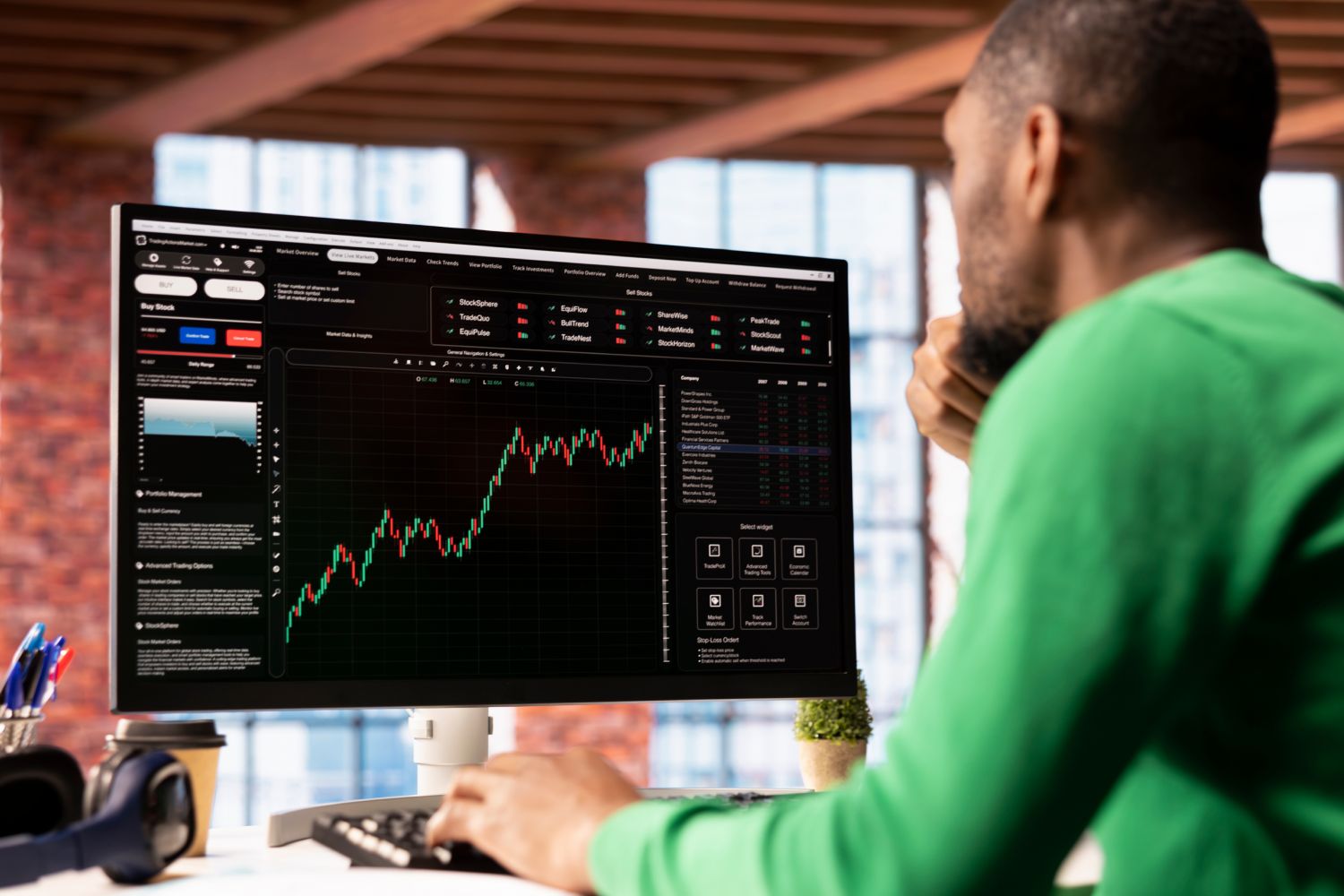
Day trading is the practice of buying and selling a stock, option, futures contract, or other investment security on the same trading day. Instead of holding positions for weeks, months, or years, day traders look for short-term price movement to try to turn a profit before the market closes for the day.
A day trader might buy a stock in the morning and sell it just a few minutes later if they hit their target goal for profit. Some traders focus on momentum stocks , which move quickly due to news, high volume, or unusual volatility.
In the past, to be a day trader with serious buying power, you generally needed at least $25,000 in your margin account. Brokers upheld this limit to prevent traders from holding more positions than they had margin for. In June 2026, these day-trading rules were updated, potentially allowing American traders to open active margin accounts with as little as $2,000.
This doesn’t eliminate the inherent risks of day trading, though. Practice your strategies in a trading simulator and make sure you’re financially stable before investing.
Key Takeaways
-
Day trading is all about short-term moves for profit in small increments each day.
-
Traders use charts, news, and specific risk management strategies to succeed.
-
Day trading rules have changed in 2026, but the risks are still there, even if you open a small margin account.
Sources:
Investment Securities Explained: Types, Uses, and Benefits | Invstopedia